Are CT Scans Safe? Understanding the Risks and Benefits of Radiation

Radiology technician (CT, MRI, X-ray)
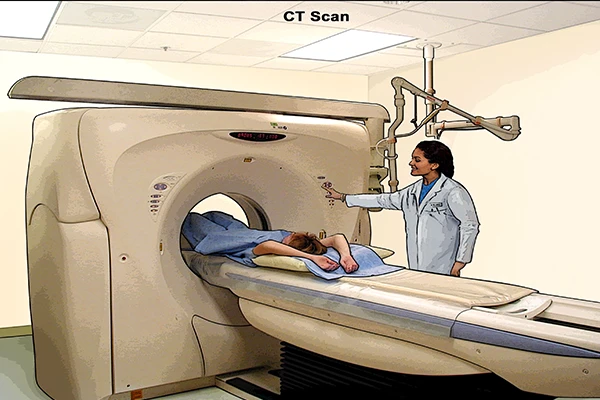
One of the most common questions patients have about CT scans is regarding their safety, specifically the use of ionizing radiation. It's a valid concern, and understanding the issue requires balancing the potential risks with the significant medical benefits. The simple answer is this: when a CT scan is medically necessary, its benefit in providing a fast and accurate diagnosis almost always far outweighs the very small potential risk from radiation.
Putting Radiation Dose into Perspective
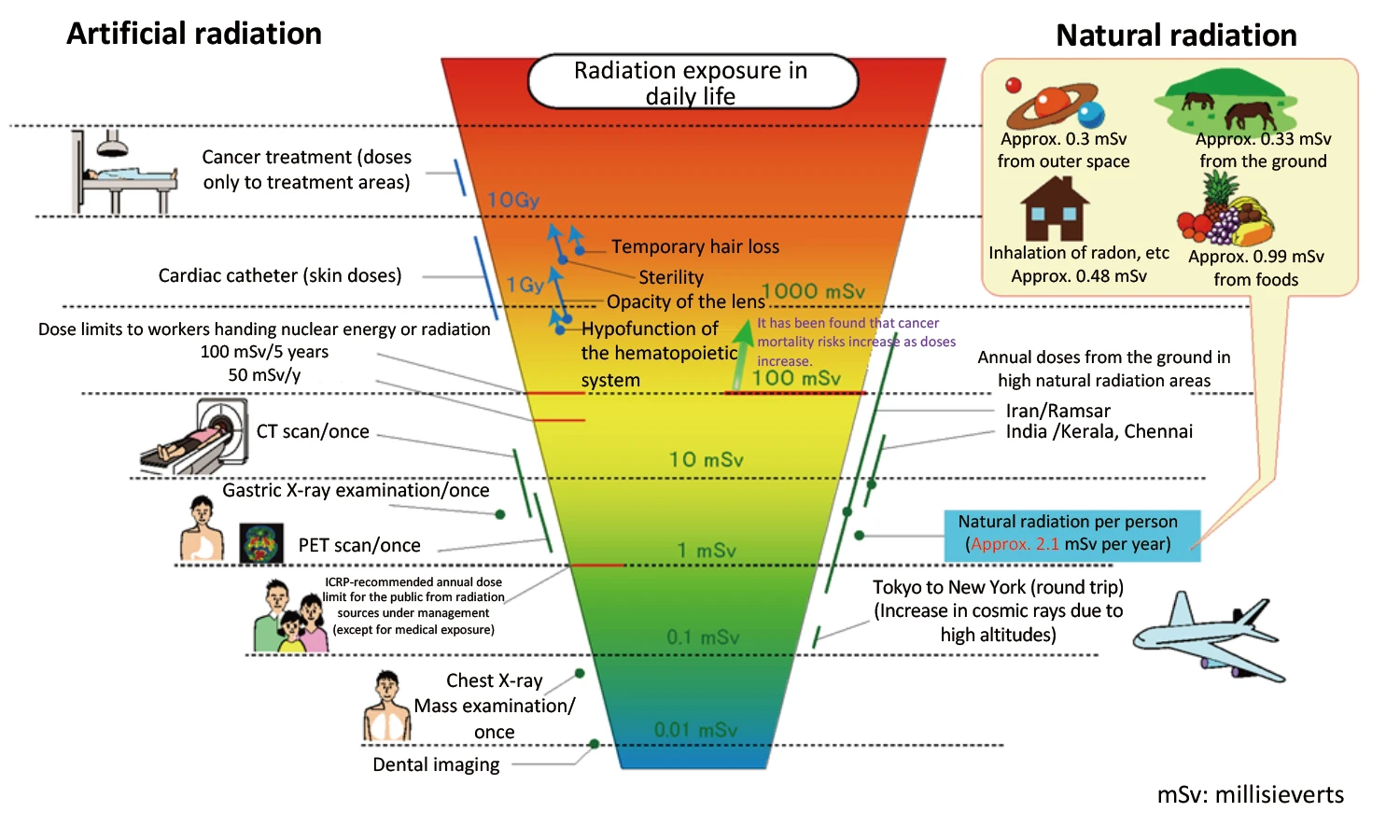
It's important to know that we are all exposed to a small amount of natural radiation every day. This is called "background radiation" and it comes from sources like the sun, the soil, and even the air we breathe. The most helpful way to understand the dose from a CT scan is to compare it to this everyday exposure.
Radiation dose is measured in millisieverts (mSv).
- The average person in the U.S. receives about 3 mSv per year from natural background sources.
- A standard chest X-ray is about 0.1 mSv, equivalent to about 10 days of background radiation.
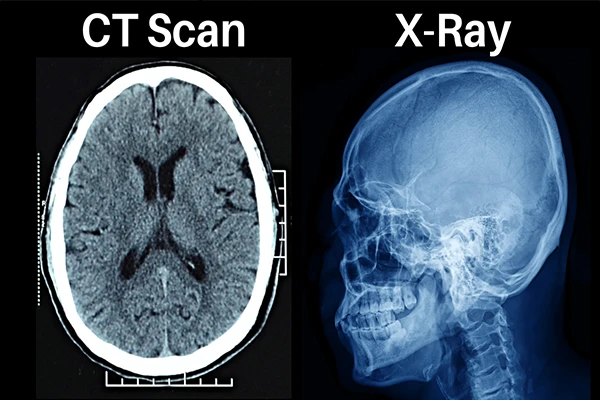
- A CT scan of the head is about 2 mSv, equivalent to about 8 months of background radiation.
- A CT scan of the chest is about 7 mSv, equivalent to about 2 years of background radiation.
The Benefit: Why Doctors Order CT Scans
Doctors don't order CT scans lightly. They are ordered when the potential benefit of a quick, detailed, and often life-saving diagnosis is critical. For example:
- In a major trauma from a car accident, a CT scan can instantly identify life-threatening internal bleeding or organ damage.
- For a patient with suspected stroke, a CT scan can rapidly determine if there is a bleed in the brain, which guides immediate treatment.
- In cancer patients, CT scans are essential for diagnosing tumors, seeing if they have spread, and checking if treatment is working.
In these situations, the risk of not performing the scan and missing a critical diagnosis is far greater than the small potential risk from the radiation dose.
The Safety Net: The ALARA Principle
The entire field of radiology operates on a safety philosophy known as **ALARA**, which stands for "As Low As Reasonably Achievable." This means that every imaging department is committed to using the absolute minimum amount of radiation necessary to obtain a diagnostic-quality image.
This is achieved in several ways:
- Modern Equipment: Newer CT scanners are equipped with dose-reduction technologies that can significantly lower the radiation dose while maintaining image quality.
- Optimized Protocols: Radiologists and physicists work together to create scan protocols that are tailored to the patient's size and the specific clinical question. A child, for example, receives a much lower dose than a large adult.
- Skilled Technologists: Technologists are trained to position patients correctly and use the appropriate protocols to avoid the need for repeat scans.
Conclusion: A Well-Balanced Decision
It is true that CT scans involve ionizing radiation, and large, cumulative doses of radiation over a lifetime can increase the risk of cancer. However, the dose from a single, medically justified scan is very small. The decision to perform a CT scan is always a careful balance between this small risk and a very large and immediate medical benefit. Thanks to the ALARA principle and modern technology, patients can be confident that they are receiving the lowest possible dose for the highest possible diagnostic value.
Comments